What Can I Plant in Winter?
A Winter Native Planting Guide for Middle Tennessee
This is one of the most common questions we hear in winter:
Is it too late to plant?
In Middle Tennessee, the answer is almost always no. In fact, winter is one of the best times to plant native plants. As long as the ground isn’t frozen, native perennials, shrubs, and trees can be planted throughout December, January, and February.
Even though native plants are dormant above ground this time of year, they’re still actively establishing roots below the surface. Winter planting allows roots to settle in before the stress of summer heat, leading to healthier, more resilient plants once spring arrives.
Why Winter Works So Well for Native Planting
During winter, plants experience:
Consistent moisture from seasonal rainfall
Minimal transplant shock
Less competition from weeds
When soil temperatures begin to warm in early spring, plants that were installed over winter will green up quickly and take off.
What Can You Plant Now?
Basically all native perennials, shrubs, and trees that are hardy to Middle Tennessee can be planted in winter. Even if plants look like bare stems or dried foliage, they are very much alive. Dormancy is a normal and healthy part of their lifecycle.
Winter Is Also a Great Time to Sow Native Seed
Many native plants rely on winter conditions to break seed dormancy. Sowing seed now mimics natural processes and often results in better germination.
Seed can be:
Broadcast into a prepared planting area
Winter-sown in milk jugs or open pots outdoors
Seeds will sit quietly through the cold months and begin to germinate naturally when conditions are right in spring.
For more information on winter sowing—an easy, budget-friendly way to grow a large number of native plants at home—see our winter sowing blog post.
A Note on Preparing the Area Prior to Planting
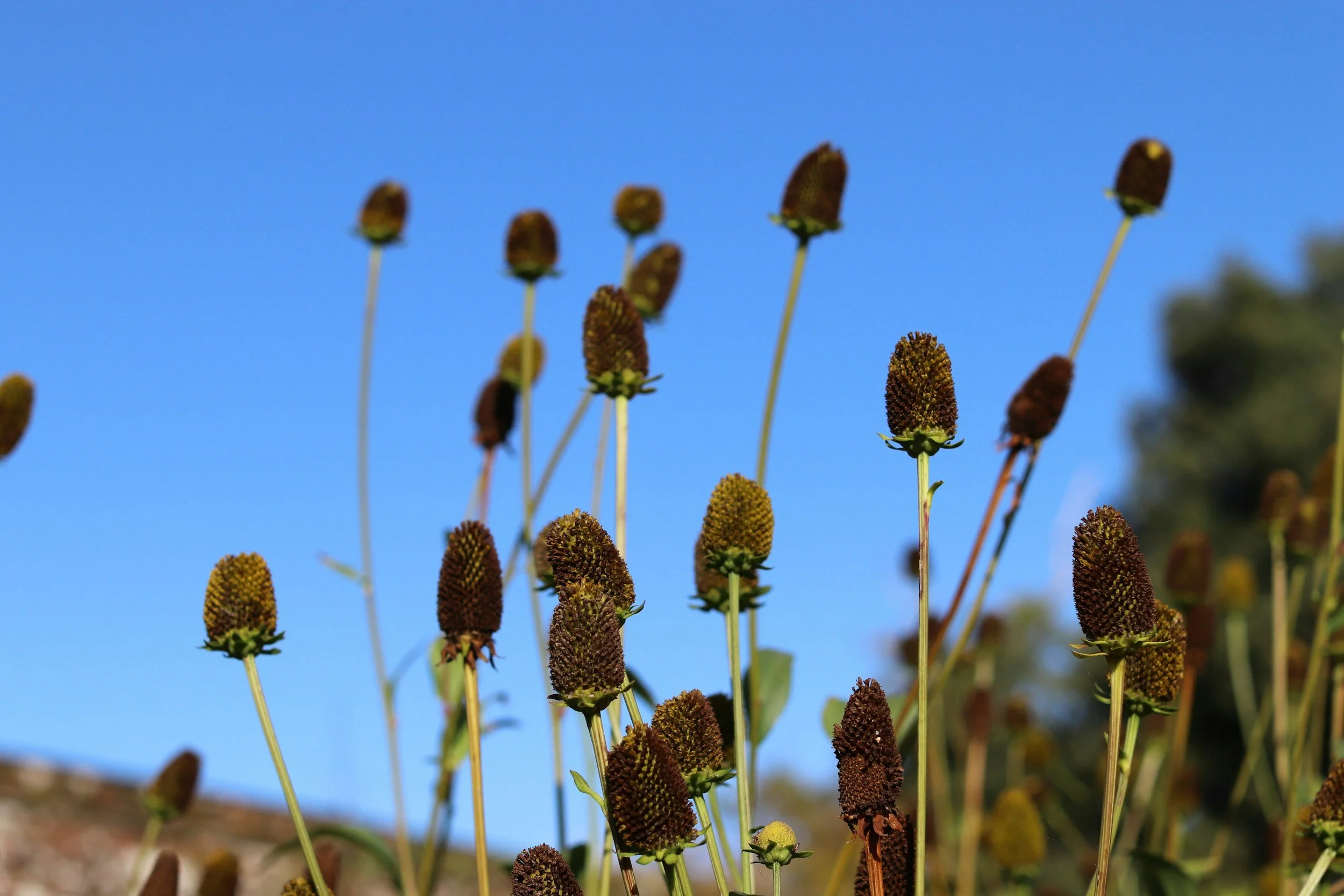
In most cases, it takes 12–18 months to fully kill off aggressive species like bermuda grass before planting. For smaller areas, manual removal can work on a quicker timeline, but it’s important to dig at least 8–12 inches deep and remove all rhizomes. Bermudagrass can regenerate from even small pieces left behind in the soil, which is one reason we discourage tilling when bermuda is present.
One downside of manual removal—aside from the physical effort—is that it disturbs dormant weed seeds in the soil. This is especially important to consider if you plan to grow plants from seed.
For more information on our recommended preparation methods, see our article on killing your lawn and preparing a new garden bed.
Weed Control for New Plantings (Without Seed)
If you’re preparing an area by hand and then installing plugs or gallon-sized plants (rather than sowing seed), we strongly recommend applying corn gluten meal after planting.
Corn gluten meal helps prevent newly disturbed weed seeds from germinating but does not affect established plants. We use this approach for most new installations that do not involve seed sowing.
Choosing Between Plugs, Seeds, and Gallon Plants
Native Plant Plugs
Plugs are one of our preferred options for many projects. They strike a good balance between cost, performance, and long-term results.
Benefits include:
More immediate results than seed
More affordable than 1- or 3-gallon plants, especially when planting densely (which we recommend for a healthy, layered, living landscape)
Strong, well-developed root systems
In many cases, plugs catch up to gallon-sized plants within the first season or two. They’re also quick and easy to install, especially when paired with a drill-mounted auger.
Starting From Seed
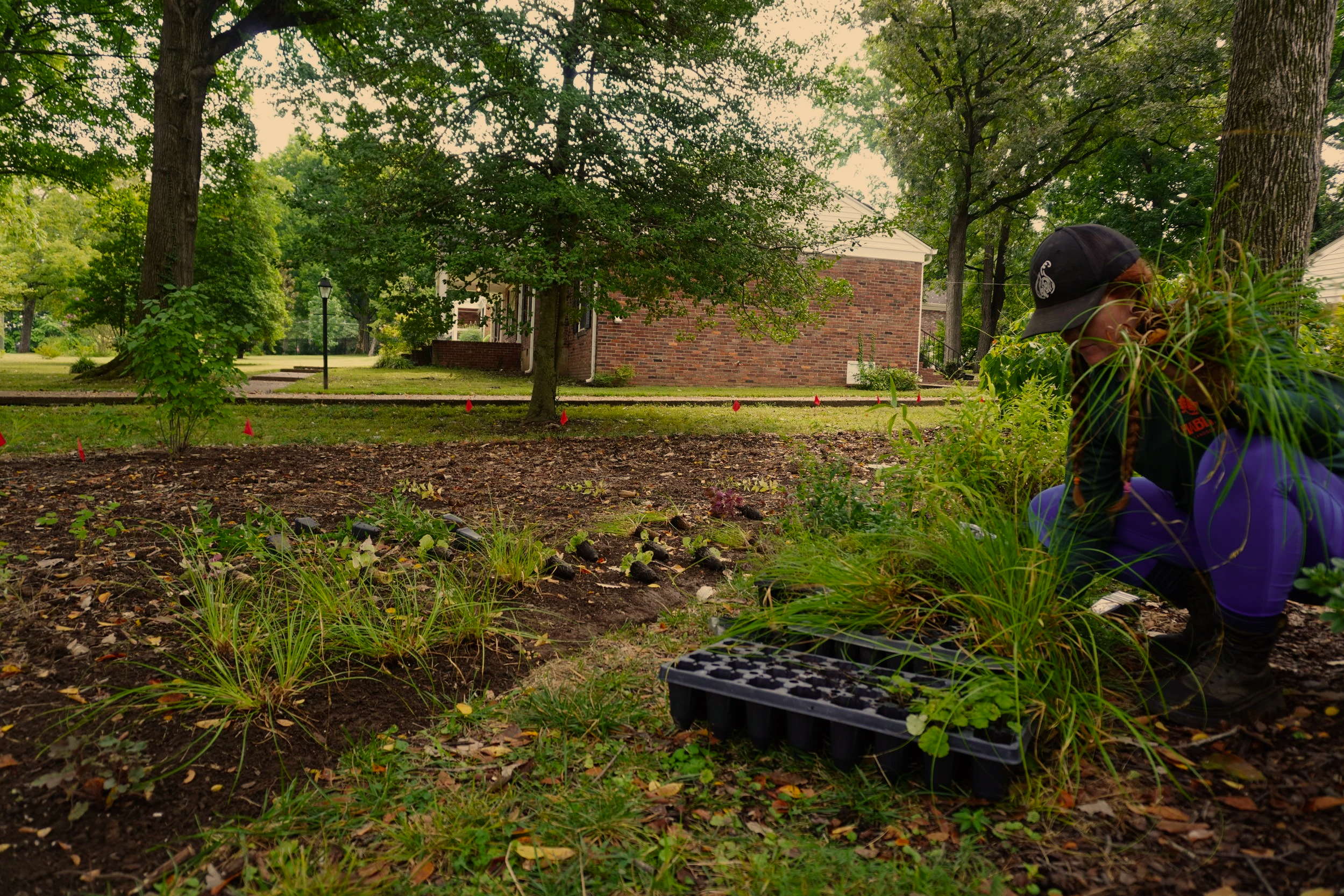
Seed is a cost-effective option for larger areas, but it does require patience. Seeded plantings tend to look best in year three and beyond, once plants have had time to establish and fill in.
That said, some native species do provide color and interest in the first year, including Rudbeckia, Gaillardia, and others.
Hybrid Approach: Mixing Plugs and Seed
For many landscapes, a mix of plugs and seed works well. Plugs provide structure and early interest, while seed fills in over time. This approach keeps upfront costs manageable while building a diverse, resilient planting over the long term.
This strategy works best when the area has been prepared using herbicide application or smothering, where the soil has not been disturbed. Corn gluten meal cannot be used when installing seeds and plugs at the same time, since it will prevent native seed from germinating.
Final Thoughts
If you’ve been waiting for the “right” time to plant native plants, winter is a solid choice. We’re lucky here in Nashville to have plenty of mild winter days mixed in with colder weather—these are great opportunities to get outside and dig in the dirt when the sun is shining.
If you’d like help planning or installing a winter native garden in Middle Tennessee, we’re happy to talk through options that make sense for your site and your budget. Just fill out our contact form to get started, and we’ll help you think through the best approach for the coming year.
Bonus: Recommended Plant & Seed Vendors
Here are some local and mail order plant and seed sources we recommend for homeowners looking to create or expand their native landscape.
Native Plant and Plug Nurseries & Retailers
Wonder Gift and Garden – One of our favorites! Native Plant focused garden center and gift shop located in Kingston Springs. You can check their current inventory online.
GroWild – Native plant nursery located in Fairview, TN. Great source for hard to find native species.
Neighbors 4 Native Plants – A local non-profit that sells pollinator kits twice per year. Follow them on social media to find out about their seasonal plant sales!
Izel Native Plants – Excellent source for homeowners to purchase native plugs in bulk.
The Pollen Nation – Another source for homeowners to buy plugs in bulk.
Overhill Gardens – Native plant nursery near Knoxville with diverse species options.
Reflection Riding Arboretum – Arboretum in Chattanooga that hosts seasonal plant sales
Tennessee Naturescapes – Located in East Tennessee, offers pick-up and delivery options
Seed Specialists
Dropseed Native Plant Nursery – Great source for locally collected seed in neighboring state of Kentucky, also offers live plant material
Roundstone Native Seed — Fantastic quality, regionally adapted seed mixes, great for larger scale plantings
Ohio Prairie Nursery — Offers seed packets and larger quantity seed mixes for people looking to replace lawn with meadow
Prairie Nursery – Well-known source for native seed and plants.
Prairie Moon Nursery – Seed and plant source with a diverse selection. Offers both seed mixes and single species.
