
DIY Mosquito Control: Pollinator-Friendly “Mosquito Bucket”

No Harmful Sprays or Fogging Needed!
Mosquitoes are part of life in Middle Tennessee—but that doesn’t mean we have to accept being covered in itchy bites every time we hang outside. If you’re looking for a low-impact way to reduce mosquito populations without spraying chemicals where kids, pets, and pollinators live, this simple DIY mosquito bucket is a great solution
This method targets mosquitoes at their most vulnerable stage—before they ever become biting adults—while leaving the rest of the ecosystem intact.

Why Rethink Professional Mosquito Sprays?
Mosquito control companies often market their services as “natural” solutions. What’s rarely discussed is the broader impact those treatments can have on people, pets, and the surrounding ecosystem.
Chemical Exposure
Most mosquito spray services rely on pyrethroids, a class of synthetic pesticides. While they’re derived from chrysanthemum flowers, these products are broad-spectrum insecticides, meaning they don’t just kill mosquitoes.
They can also harm:
Bees, butterflies, caterpillars, and fireflies
Ladybugs and other beneficial insects
Children and pets who may come into contact with residue

Ecosystem Damage
Mosquitoes are part of a larger food web. When broad-spectrum sprays are used:
Beneficial predators like dragonflies (which eat mosquitoes) are killed
Runoff can reach streams and ponds, impacting fish and aquatic life
Biodiversity is reduced, often making landscapes less resilient over time
In many cases, repeated spraying creates a cycle where fewer natural predators remain, and mosquitoes rebound quickly.
A More Effective and Targeted Option: The Mosquito Bucket
Instead of fogging your entire yard, this method works by attracting mosquitoes to lay eggs in standing water—then stopping the larvae from developing.
It’s simple, inexpensive, and safe.
Quick DIY at a Glance
Time Needed: 5 minutes
Cost: About $2–$5 per bucket
Safe For: Kids, pets, pollinators
HOW TO MAKE A MOSQUITO BUCKET
What You’ll Need:
A bucket, bowl, or large container
Water
A stick (long enough to reach bottom & stick out the top)
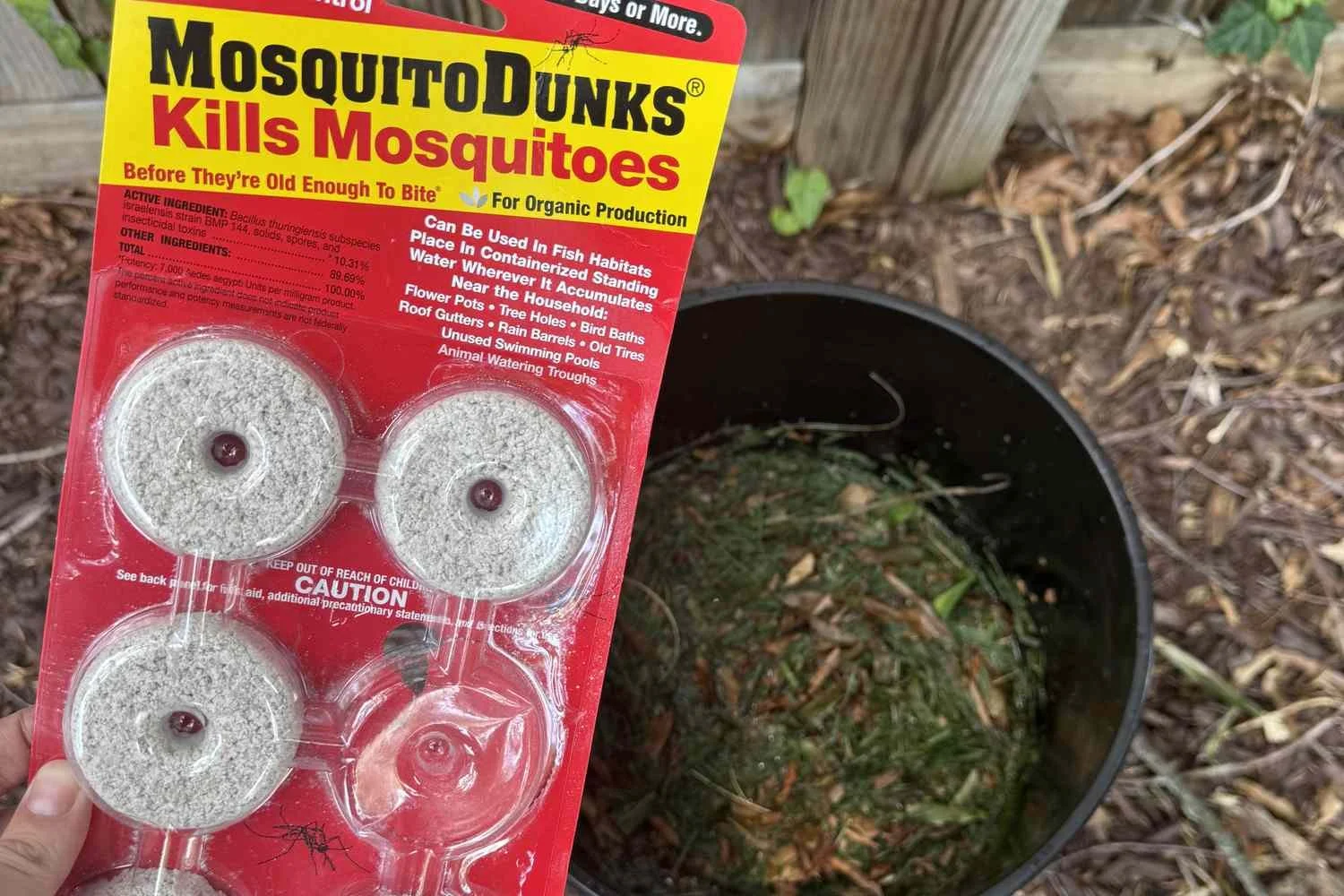
A BTI mosquito dunk (Bacillus thuringiensis israelensis — safe, naturally occurring bacteria)
A handful of grass, weeds, or leaves
Steps:
Fill your container halfway with water.
Add about ¼ of a BTI dunk. BTI only kills mosquito larvae — not bees or butterflies!
Secure the dunk if needed. Use a mesh produce bag tied to the stick to keep the dunk submerged.
Place the stick in the bucket. This helps critters escape if they fall in.
Toss in plant debris. Decaying leaves/grass produce CO₂, attracting egg-laying mosquitoes.
Maintain your bucket. Keep the water level up and replace the dunk every 30 days. Cover with mesh or drilled-lid if kids are a concern.
Why It Works
Mosquitoes are drawn to stagnant water. This bucket gives them exactly what they’re looking for—but prevents larvae from surviving.
No chemical spraying
No harm to pollinators or beneficial insects
Inexpensive and easy to maintain
Breaks the breeding cycle rather than reacting to adult mosquitoes
In Middle Tennessee, this is most effective from late spring through early fall, especially after rainy periods.

Taking It a Step Further
Long-term mosquito control also means supporting the predators that keep populations in check—birds, frogs, dragonflies, and beneficial insects. That’s one reason we focus on diverse native plantings and healthy landscapes, not just short-term fixes.
If you’ve built a mosquito bucket and want to help shift the conversation in your neighborhood, we’ve created a small yard sign to spark that discussion and share a more pollinator-friendly approach.
Final Thoughts
Chemical sprays promise fast results, but they come at a cost—to pollinators, beneficial insects, and the overall health of your landscape.
This mosquito bucket is a simple, targeted way to reduce mosquitoes while working with nature instead of against it. Combined with thoughtful planting and habitat support, it can make outdoor spaces more comfortable without sacrificing ecological health.
Ready to ditch the sprays? Get your pollinator-friendly sign here and share this guide with a neighbor today!
Sources
National Pesticide Information Center - Permethrin General Fact Sheet
Sidewalk Nature - Mosquito Bucket of Doom
NWF - What you need to know before spraying for mosquitoesSi
